Remarkable Dogs. Real Needs. Why Working Breeds End Up in Shelters.
Remarkable Dogs. Real Needs. Why Working Breeds End Up in Shelters. German Shepherds and Belgian Malinois can impress us with their intelligence, athleticism, and close bonds with people. But the qualities that make…
By Arina Hanciulescu ·
Remarkable Dogs. Real Needs. Why Working Breeds End Up in Shelters.
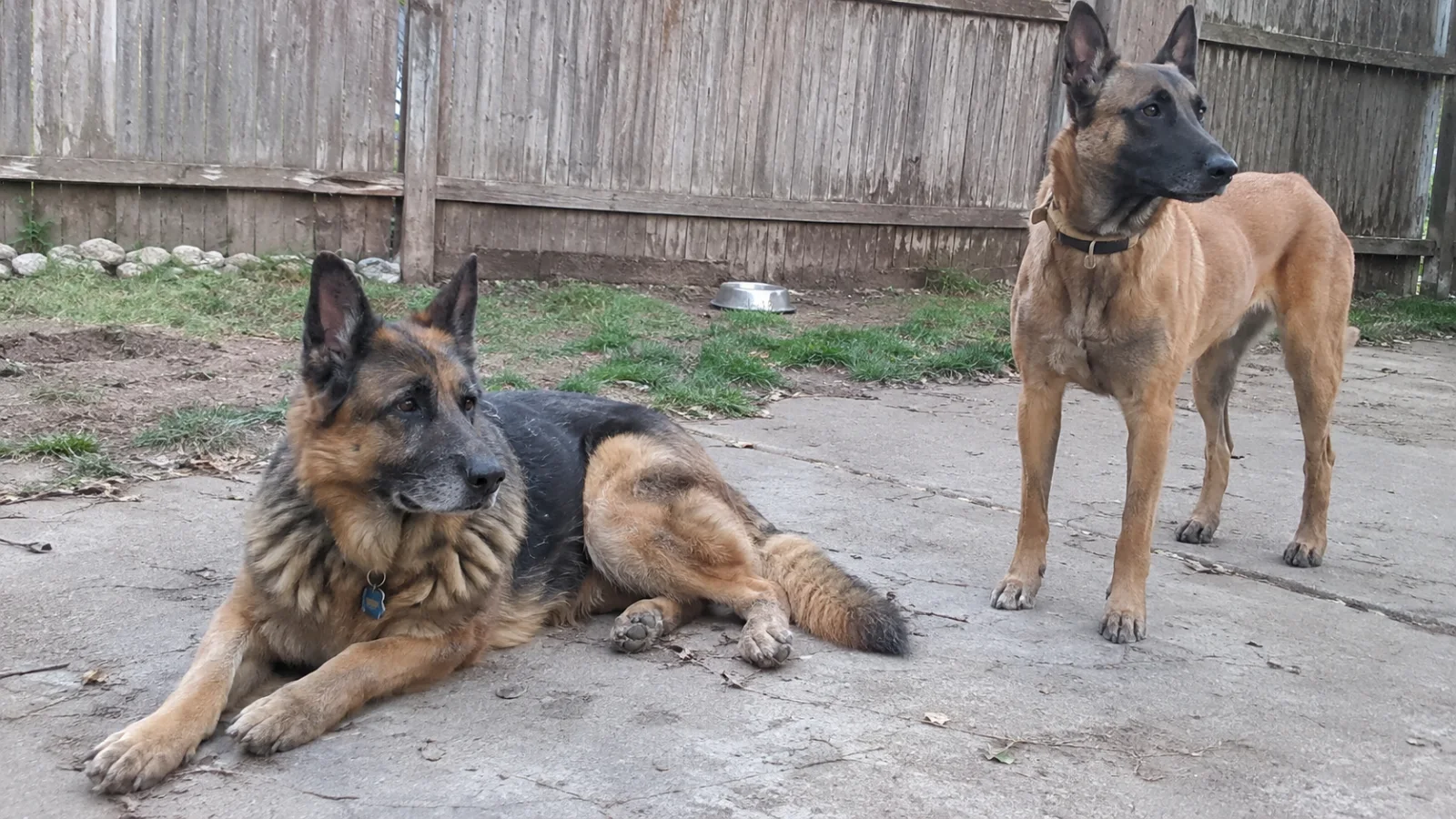
German Shepherds and Belgian Malinois can impress us with their intelligence, athleticism, and close bonds with people. But the qualities that make these dogs remarkable also come with responsibilities that can catch an unprepared owner by surprise.
Behind the impressive training videos is daily work: exercise, patient instruction, mental enrichment, and time spent learning to live together.
When those needs don’t match a household’s expectations or resources, a dog can lose its home.
At Lost and Found Animal Foundation, we want more people to understand these breeds—and what it takes to give an individual dog a lasting, suitable home.
Simple training - huge reward
Intelligence Needs an Outlet
A large backyard can be useful, but it cannot replace interaction, training, or opportunities to explore.
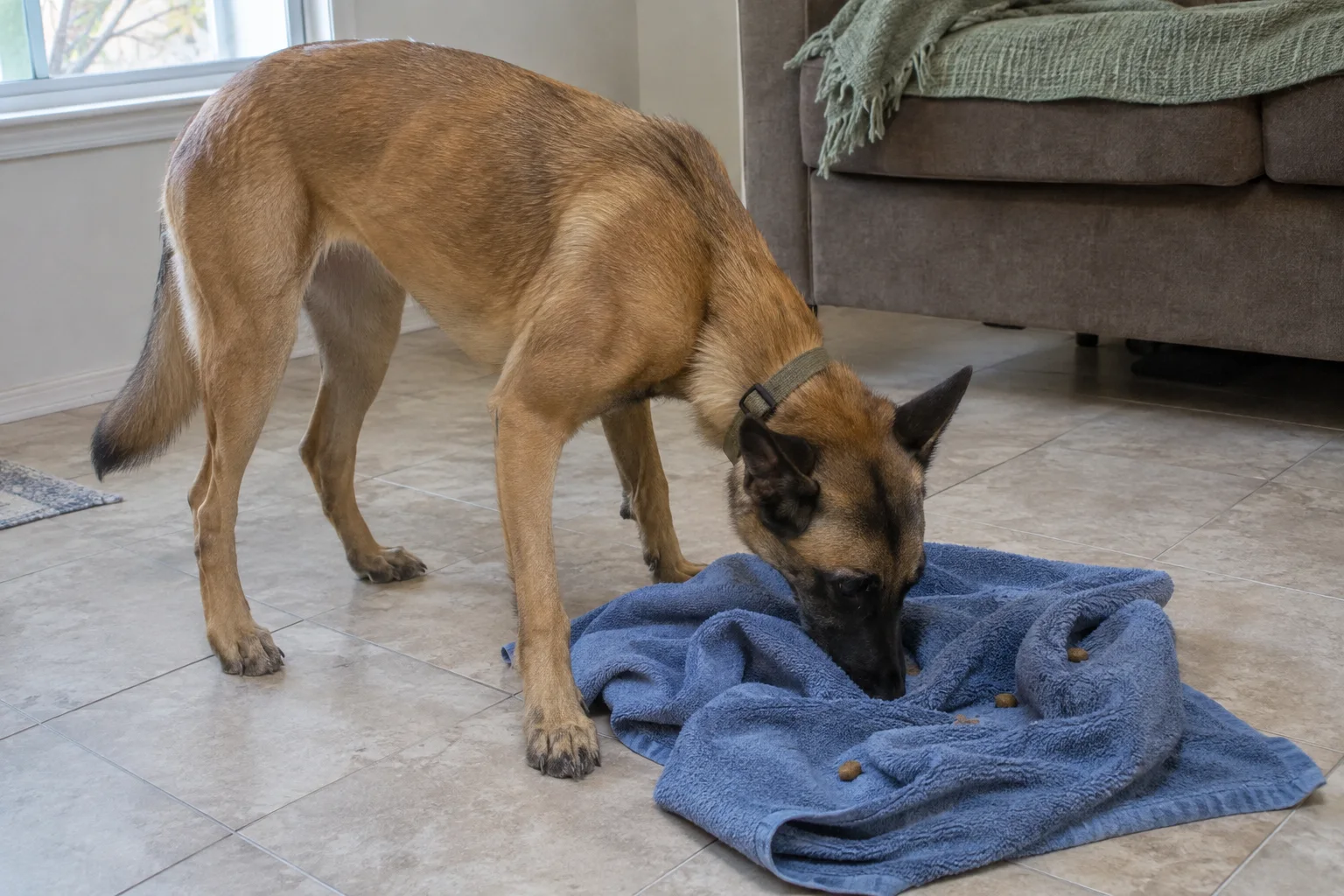
Many German Shepherds and Belgian Malinois need activities that engage their minds as well as their bodies. Scent games, reward-based training, food puzzles, and walks with time to sniff can all be part of a fulfilling routine. Learning to rest matters, too.
Without suitable outlets, some dogs may chew, dig, bark, or struggle to settle. These behaviors can frustrate families, but they deserve a closer look. The dog may need a different routine, help learning a skill, or an assessment from a veterinarian or qualified behavior professional.
Look Beyond the Impressive Videos
A Belgian Malinois performing a difficult task can make the work look effortless. What viewers rarely see is the time, experience, and careful handling behind that performance.
Many Malinois have substantial energy and working drive. German Shepherds can also need considerable engagement and consistent guidance. Neither breed should be chosen on appearance or reputation alone.
Breed traits are a starting point. Age, health, temperament, history, and the individual dog’s ability to settle into a particular household all matter.
The most useful question is: Can I meet this dog’s needs in my everyday life?
Training Is Part of Everyday Care
A puppy jumping up to greet someone may seem manageable. As that dog grows, the same behavior can become much harder to handle.
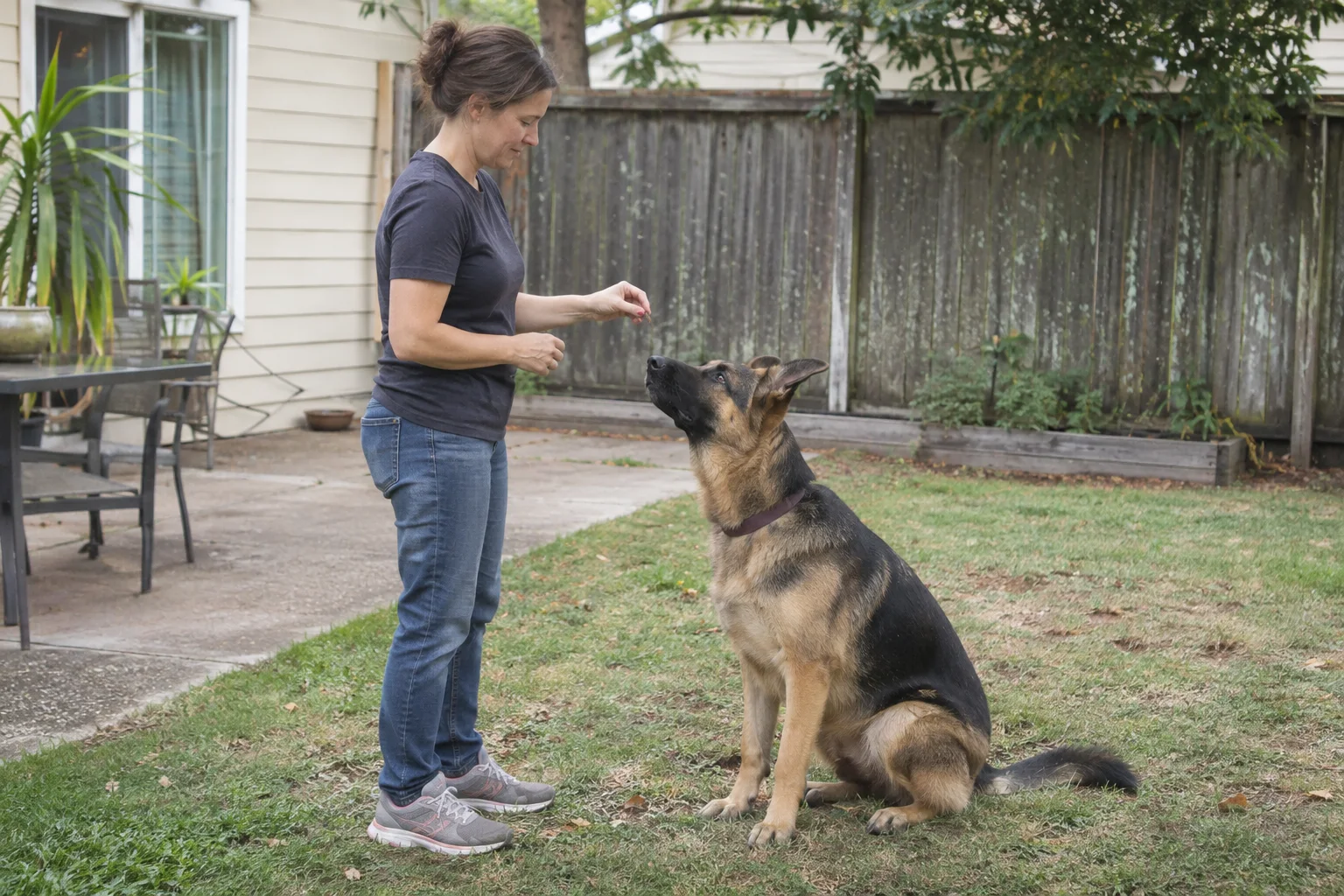
Teaching everyday skills helps dogs and families live comfortably together. Those skills include walking on a leash, greeting people calmly, coming when called, and relaxing between activities.
Training should be humane, consistent, and reward-based. Young dogs also benefit from carefully managed, positive introductions to people, places, sounds, and experiences, at a pace they can handle.
Families need support, too. Asking for help early can make challenges easier to address.
Trust is developed over time through training.
Not Every Surrender Starts With a Behavior Problem
Dogs also lose their homes because their families face difficult circumstances.
Housing restrictions, financial hardship, illness, and changes in family life can put a stable home at risk. Large dogs may be particularly difficult to accommodate when rental options are limited.
Understanding those pressures helps us respond with compassion toward both the dog and the people involved.
A Kennel Shows Only Part of the Picture
Shelters can be stressful places. A dog may bark, pace, hide, or struggle to settle in an unfamiliar environment.
Those observations matter, but they are only part of an assessment. Foster-home observations, medical evaluations, and information about the dog’s history can help build a fuller picture.
A calmer environment and a predictable routine may help a dog feel more comfortable. Each dog still needs an honest assessment and a home prepared for its particular needs.
Before You Adopt, Consider Your Daily Life
If you’re thinking about adopting a German Shepherd or Belgian Malinois, ask yourself:
Can I make time for daily exercise, training, enrichment, and companionship?
Does my housing allow this dog?
Can I afford veterinary care, food, and professional training support?
Does this individual dog suit my household, including children and other animals?
What support would I have if my circumstances changed?
An honest answer helps protect both you and the dog. A thoughtful match gives an adoption a stronger foundation.
Help Make Lasting Homes Possible
German Shepherds and Belgian Malinois can be wonderful companions in homes equipped to meet their needs. Choosing carefully, seeking support, and setting realistic expectations can help more of these dogs stay with their families.
At Lost and Found Animal Foundation, our mission centers on helping dogs find that opportunity.
If you’re ready to adopt, start a conversation about the dog who fits your life. If adoption isn’t possible right now, fostering, donating, or sharing an adoptable dog’s story can help.